Deskspace and meeting rooms are mandatory, but break out areas are often overlooked. People move between focused tasks, calls, discussions and short breaks throughout the day, and one fixed workstation cannot always support every type of work.
Office breakout areas give teams a transition space between formal meetings and individual desks. They create a spot to step away from cubical working stations to exchange ideas spontaneously or reset before returning to focused work. This article discovers the hidden benefits of breakout areas, and why every company needs to design a transition space to promote collaboration in the long run.
What are office breakout areas?
An office breakout area is a transition shared space away from the main desk area. Unlike a meeting room, it is usually less formal and does not always require advance booking. Instead, it provides a place where people can move naturally between different function rooms.
The purpose of a breakout area is not defined by one purpose, but rather an informal space for cross networking between departments. It describes how the space is used: as a transition between focused work, formal meetings and informal conversations.
Depending on the workplace, an office breakout area may include:
- A soft-seating lounge for casual discussions
- A shared project table for quick reviewing work or exchanging ideas
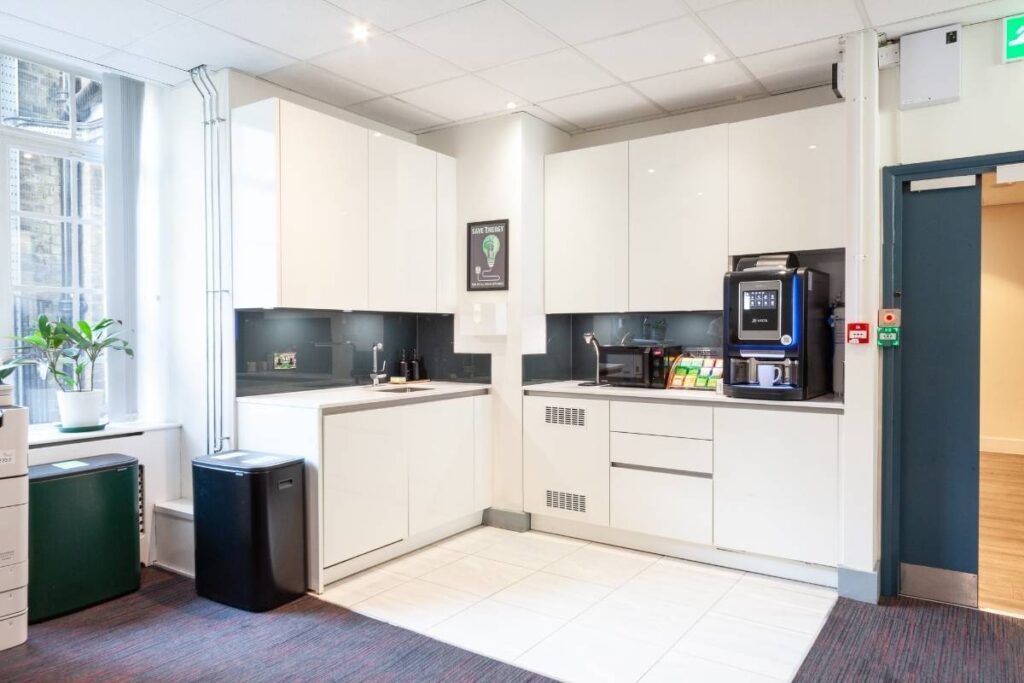
- A kitchenette or tea point to make a quick drink
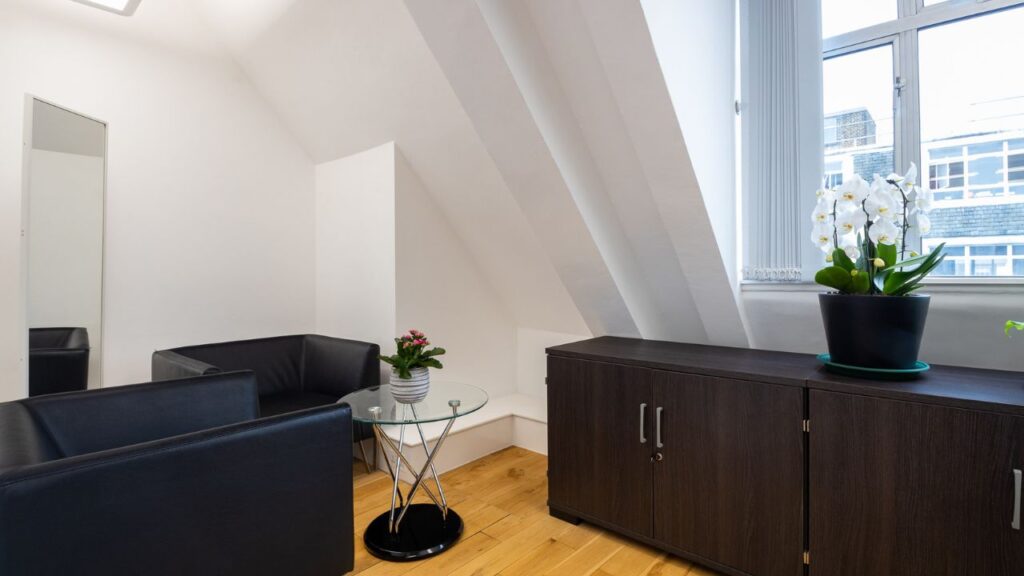
- A quiet corner for short individual tasks
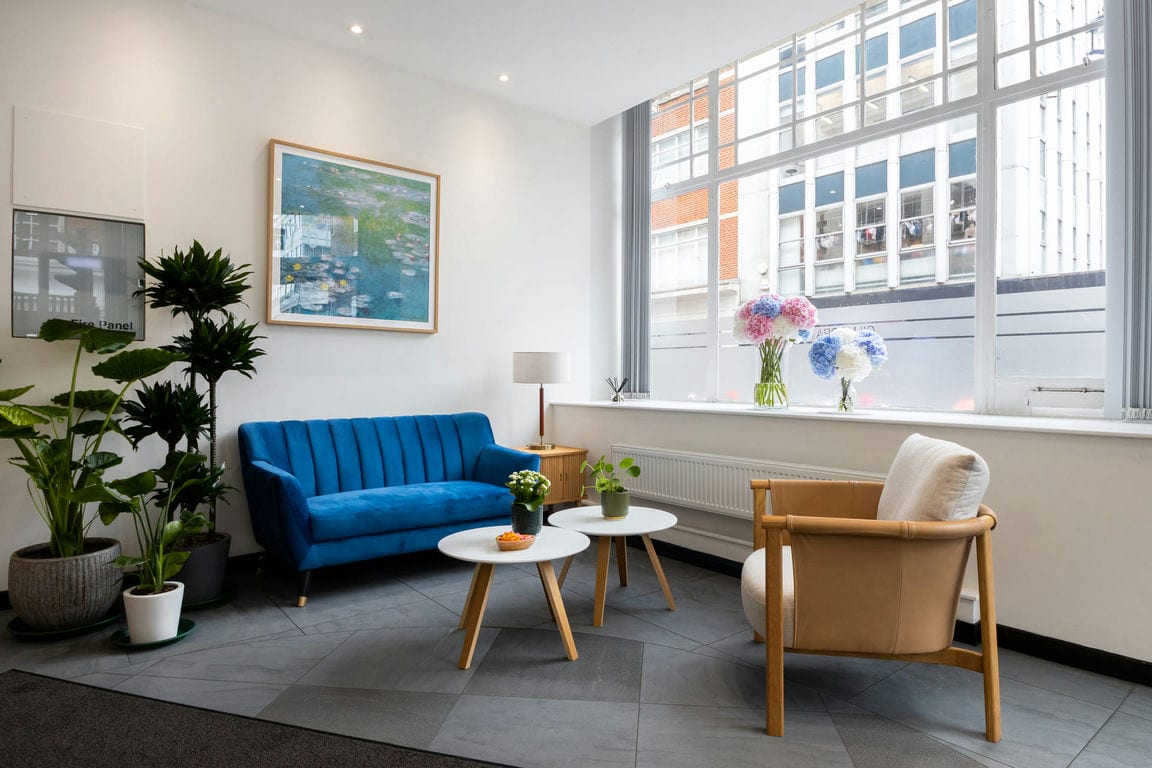
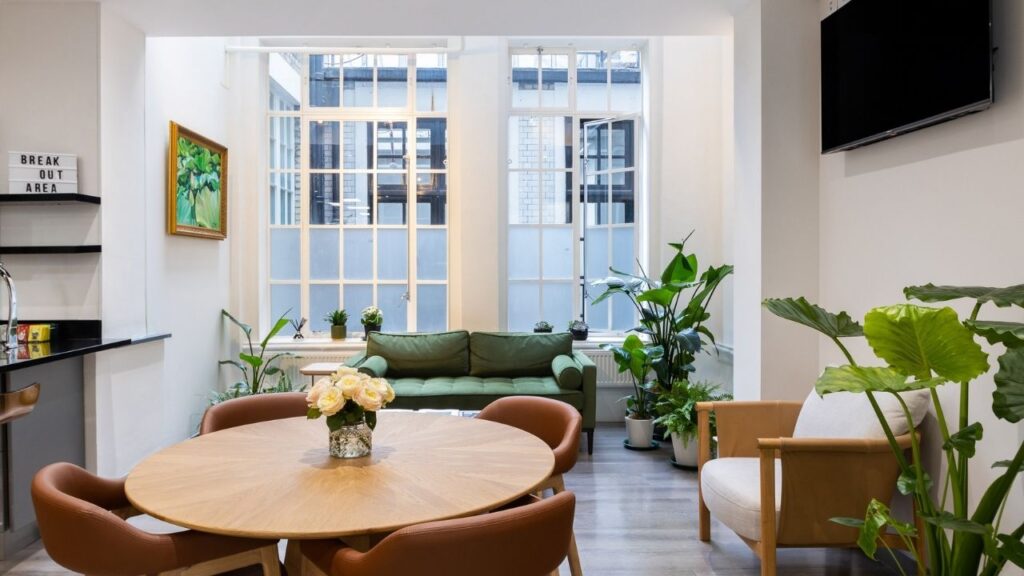
- A brighter area near windows with plants and comfortable seating
These spaces are useful because not every conversation needs a meeting room, and not every task is best completed at a desk. A breakout area gives employees another option when they need a change of environment, helping them regain composure better.
How office breakout areas can improve creativity and collaboration
The value of breakout areas comes from giving people more choice over where and how they work. Instead of booking a formal room for every short discussion, teams have a nearby space that supports quick conversations and flexible collaboration.
1. A change of setting can help teams reset
Moving away from the main desk area creates a natural pause between tasks. A different environment can help people step away from the schedule, and approach the problem again when they feel better in the breakout areas. Sometimes, a short break in-between benefits more than constant working during working days.
For businesses exploring ways to improve workplace creativity, thoughtful design choices such as flexible zones can influence how employees interact with their surroundings. This is also why many companies consider creative office design ideas in London when planning their workplace layout.
2. Informal spaces make quick collaboration easier
A meeting for every discussion could be troublesome, creating unnecessary stress for your team. A nearby lounge or shared table allows colleagues to solve small problems, review ideas or make quick decisions without turning a five-minute conversation into a formal conversation.
This can be particularly helpful for project teams working on campaigns, presentations or creative tasks. Instead of interrupting a colleague at their desk or searching for an available meeting room, teams have a practical place to gather when a discussion needs more space.
3. Shared areas create more chances for cross-team contact
Breakout areas often become places where different teams naturally interact. Kitchens, tea points and shared lounges bring people together in a low-pressure environment, creating more opportunities for informal conversations.
These everyday interactions can help strengthen workplace relationships and contribute to a stronger sense of community. Businesses looking to encourage more connection between employees can also consider approaches such as building a business community within their workspace.
4. Different work modes need different settings
Modern work does not happen in one format. Employees may need quiet time for focused tasks, space for collaboration or somewhere suitable for calls and discussions.
Providing different workplace zones allows people to choose an environment that matches their task. A breakout area can support a quick conversation, while meeting rooms remain available for more structured sessions.
This flexibility can also help reduce distractions. Employees who need to collaborate can move to a suitable space without affecting colleagues who need a quieter environment.
5. Comfortable shared space improves the day-to-day office experience
A useful breakout area is not simply an add-on lounge, but rather become a standard in modern working scenarios. The design should encourage people to actually use the space throughout the day. Natural light, comfortable seating, power access, tables and refreshments all influence whether employees feel comfortable spending time there.
Creating spaces that support wellbeing is also becoming a bigger part of workplace planning. Quiet zones, ergonomic furniture and dedicated relaxation areas can help employees take meaningful breaks and recharge between tasks. These practical improvements can complement wider approaches to wellbeing at work while making the office feel more comfortable and adaptable for everyday use.
5 Office breakout space ideas to improve your workplace
A breakout area does not always require a separate enclosed room, but rather a smart approach to make use of spared areas in your company. Many offices can create useful spaces by adapting existing areas, such as unused corners, spaces near windows or parts of shared kitchens.
Semi-private booth
A booth with higher sides or acoustic panels can provide some separation without becoming a fully enclosed meeting room. It gives two or three people a comfortable place for informal discussions, quick reviews or short collaborative sessions.
Shared project table
A large shared table creates a practical base for teams working together. It can be used for reviewing campaign materials, sketching ideas, discussing plans or gathering around a laptop during project work. It’s important to prioritise furniture’s shape to encourage relaxation, like a round table, soft sofas, couches or curved chairs instead of edgy or sleek-designed furniture.
Kitchen-side seating
A few chairs or tables near a kitchen area can turn an everyday workplace feature into a useful social space. This option works well for smaller offices that want more opportunities for informal conversations without creating another dedicated room.
Tiered team seating
Larger offices can use stepped seating to create a flexible area for group discussions, brainstorming sessions or short presentations. It provides a more relaxed alternative to a traditional meeting room, bringing natural elements to the sessions easily.
Wellness space
Not every breakout area needs to encourage collaboration. A quiet room or calm corner can support employees who need time away from busy work areas, helping create a more balanced workplace environment. This wellness space should be far away from the main working areas to avoid unwanted encounters.
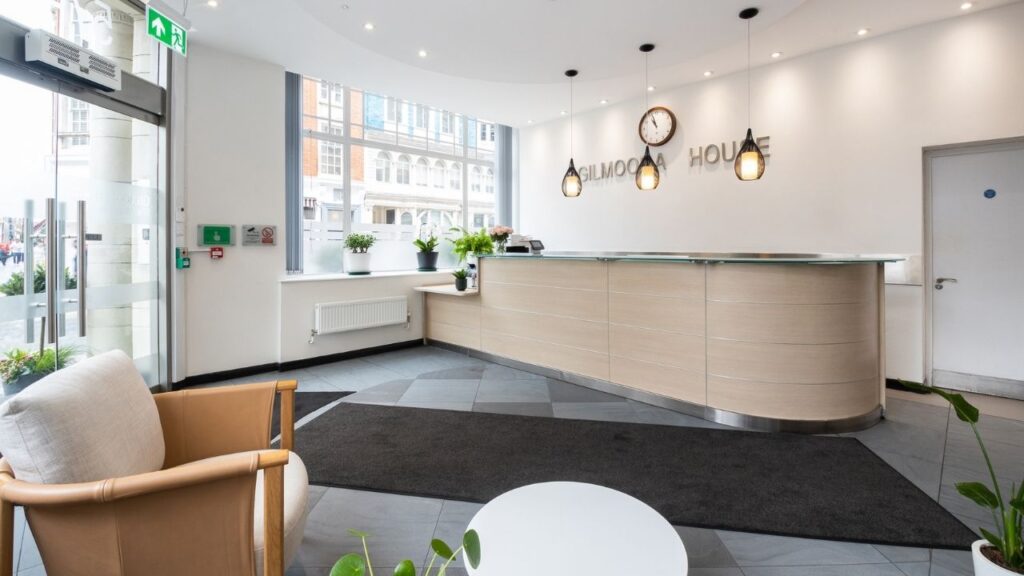
At Gilmoora House, these breakout ideas are already part of the everyday workspace. Shared kitchens create natural spots for informal conversations, communal lounges provide comfortable settings for collaborative work, and quieter corners give you space to step away and recharge. These flexible areas help you move easily between focused tasks, discussions and short breaks throughout the day.
Create a more balanced workday with Gilmoora House
At Gilmoora House, sustainable work not only relies on the room setting, but the cohesion and how natural teams can move between different work settings without leaving the building. A private office can support focused work, meeting rooms provide professional spaces for client conversations, and the Business Lounge offers a more flexible area for informal discussions or short breaks if you need a short break from the screen.
With different spaces designed around different working styles, the workplace supports smoother transitions throughout the day.
- Address: 57–61 Mortimer Street, London W1W 8HS
- Breakout access: Shared breakout spaces and kitchens provide casual areas for short conversations, networking between companies and breaks between focused work sessions.
- Business Lounge: The lounge includes natural light, desk and table space for different work styles, high-speed internet and access to breakout areas and kitchen facilities.
- Serviced offices: Each serviced office includes windows for natural light, with communal amenities available throughout the building.
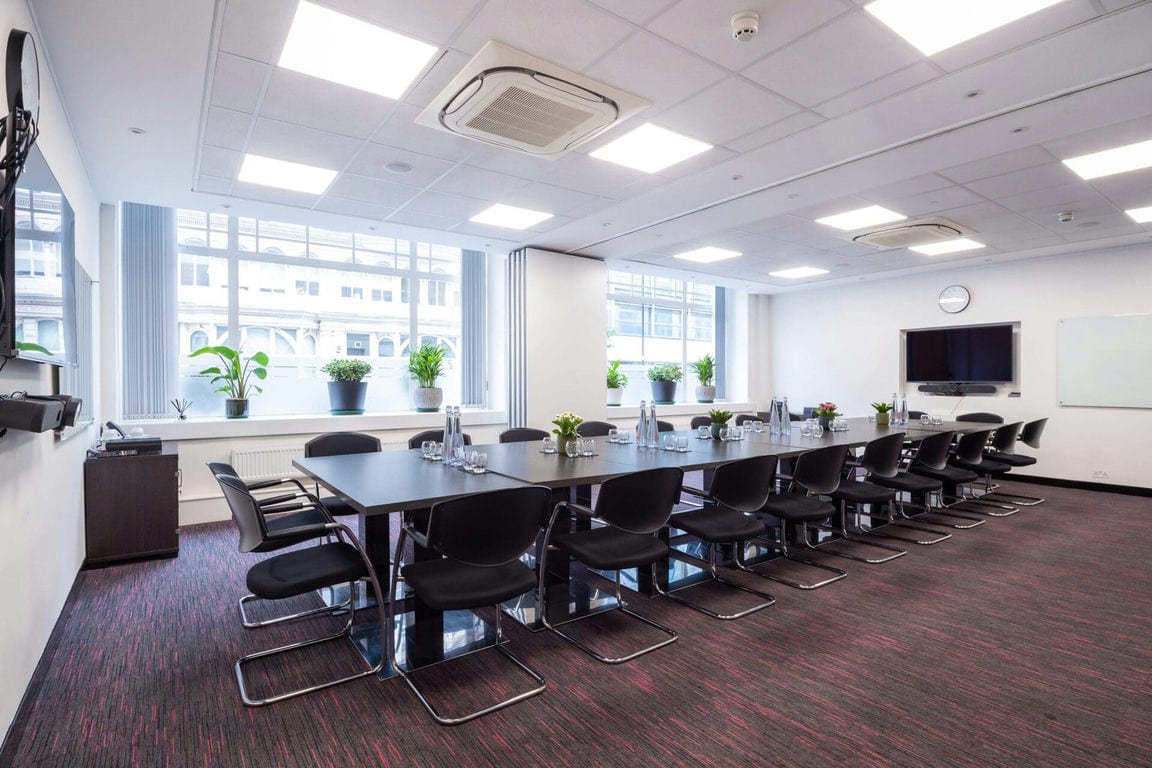
- Meeting-room connection: A range of meeting rooms supports presentations and professional discussions. For medium-sized groups, the Margaret Suite also includes a communal space for side conversations.
- Prime location: The building is around six minutes from Oxford Circus and close to Goodge Street and Tottenham Court Road.
By combining private work areas, shared facilities and informal spaces, Gilmoora House allows teams to choose the right environment for different parts of the working day.
FAQs
1. Are breakout areas the same as meeting rooms?
No. Breakout areas are informal spaces that could be an additional area in other function rooms, while meeting rooms are private, bookable areas designed for structured discussions, presentations or professional meetings.
2. What furniture works best in an office breakout area?
A combination of seating types usually works best. Upright chairs and tables support short work sessions, while softer seating creates a more relaxed environment for conversations and breaks. It’s important to look for a variety of seating options to make sure breakout rooms can cover different needs.
3. How much breakout space does an office need?
There is no single rule that applies to every workplace. The right amount depends on the floor plan, team size, and how often employees need alternatives to desks or meeting rooms.
Many workplaces benefit from having two or three breakout areas to help employees move smoothly between different work settings, from a few chairs in the hallway, to a small table beside the kitchenette, there are no standard numbers of breakout spaces.