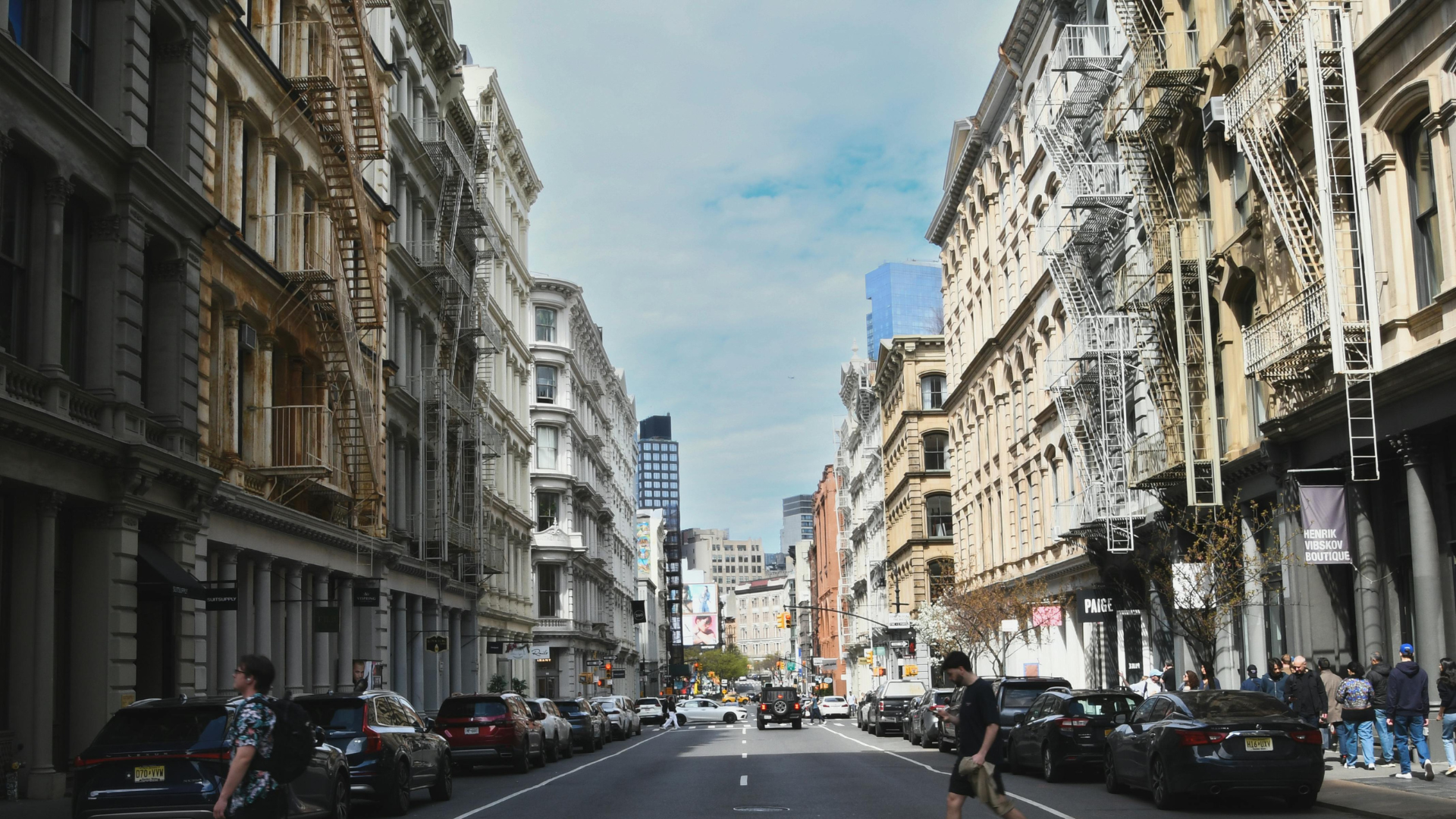
As hybrid work becomes the new normal, employees increasingly expect greater flexibility in where and how they work. With 74% of UK organisations already adopting hybrid working, businesses are reshaping their office environments to better support collaboration, employee wellbeing, and operational efficiency. A well-designed hybrid office plays a key role in meeting these evolving workplace expectations.
This guide explores practical ways to design hybrid office settings that support more effective workdays for both employees and businesses.
What is a hybrid office? Common hybrid office models
A hybrid office is a workplace model that combines office-based and remote working, allowing employees to divide their time between different locations while remaining connected through digital tools and flexible workplace policies. Rather than applying a one-size-fits-all approach, hybrid offices give businesses the flexibility to support different roles, working styles, and operational needs.
Common hybrid office models include:
- Fixed hybrid: Employees follow a set schedule, with designated days working from the office and remotely.
- Flexible hybrid: Employees can choose when to work remotely or from the office based on their tasks and preferences.
- Remote-first: Remote work is the default, while the office serves as an optional space for collaboration or meetings.
- Office-first with flexibility: Employees primarily work from the office but have the option to work remotely when needed.
- Team-based hybrid: Different teams adopt hybrid schedules that best suit their collaboration needs, project requirements, and day-to-day operations.
5 key factors for a high-performing hybrid workspace
Technology infrastructure for seamless hybrid work
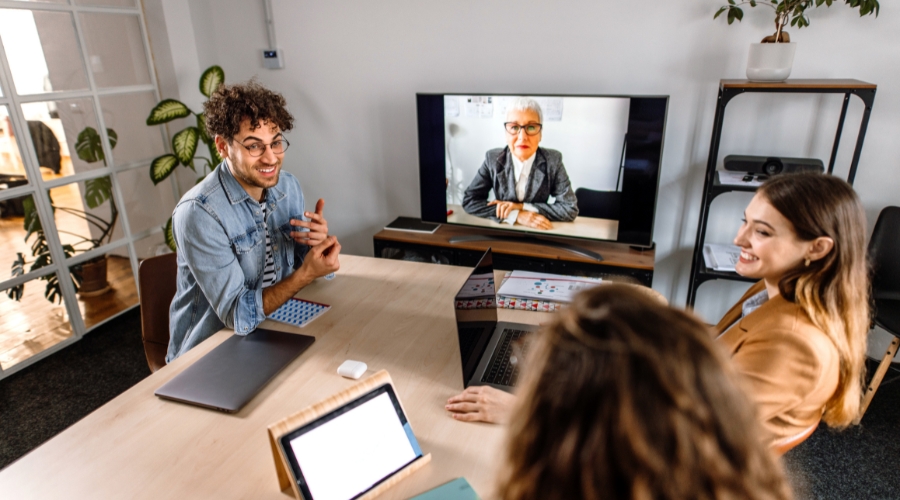
Reliable technology is the foundation of any successful hybrid workspace. Meeting rooms should be equipped with high-quality cameras, microphones, large displays, and dependable video conferencing systems so that remote and in-office participants can collaborate without disruption. Alongside this, fast Wi-Fi, backup internet connections, and standardised devices help create a consistent working experience, allowing employees to stay connected and productive regardless of where they are working.
Flexible furniture and layout solutions
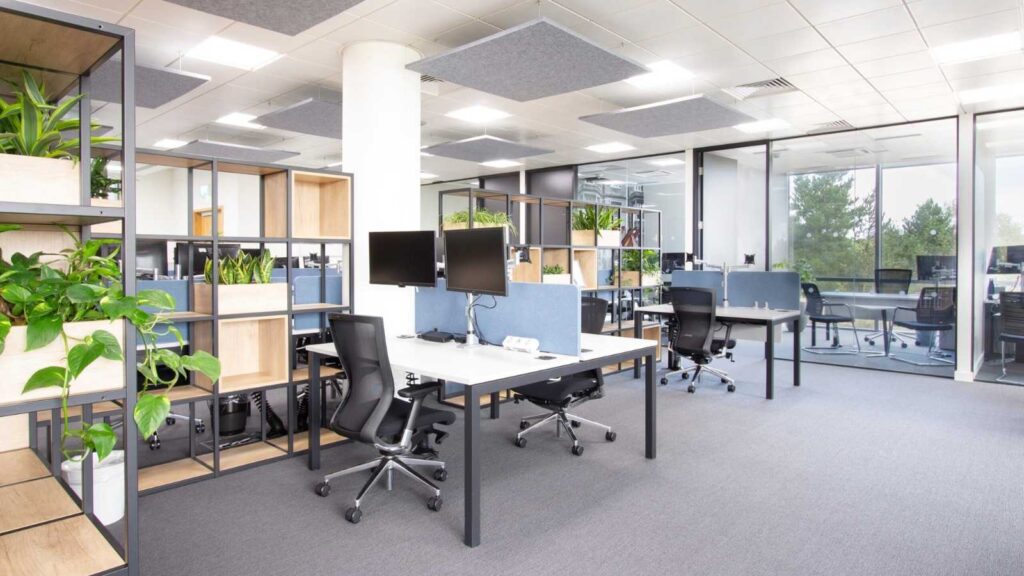
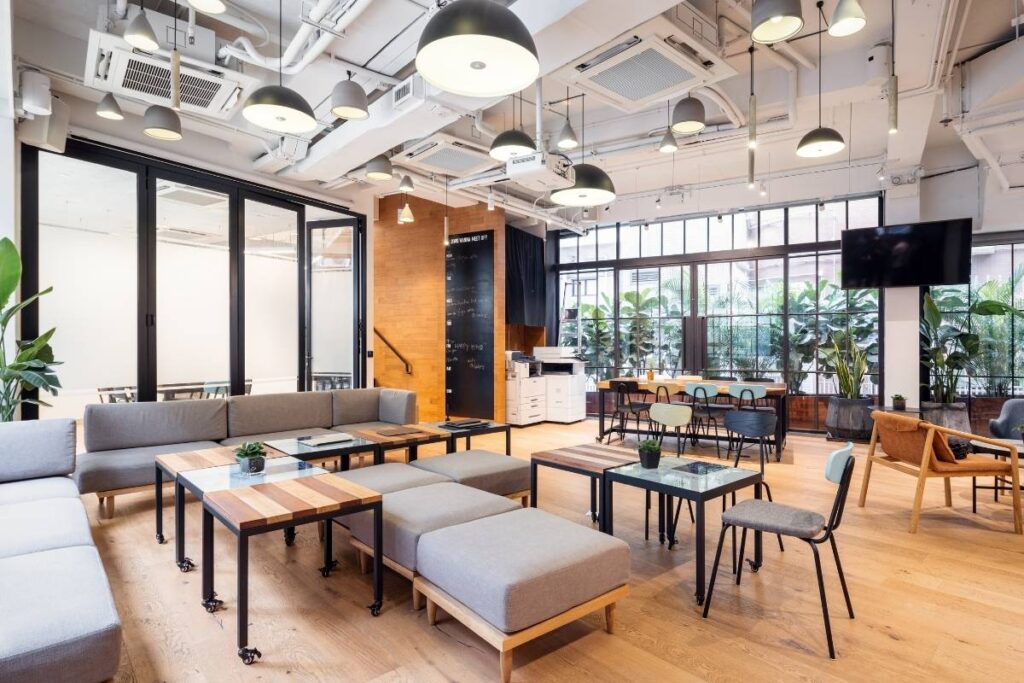
A hybrid office should be designed to adapt to changing work patterns throughout the day. Modular desks, movable furniture, and flexible layouts allow spaces to be reconfigured for individual work, team collaboration, or client meetings as needed. Ergonomic workstations, including sit-stand desks, help improve employee comfort during longer working hours, while hot-desking, personal storage, and efficient space planning make better use of the office.
With many businesses now adopting three-day or four-day work week models, office layouts also need to become more efficient. Rather than committing to a large permanent office that may not be fully utilised every day, companies embracing hybrid work can benefit from flexible office solutions that better match their evolving needs while reducing unnecessary overheads.
For businesses looking to optimise both space and costs, flexible workspaces provide the freedom to scale as work patterns change. At Gilmoora House, our flexible office solutions offer a practical way to support hybrid teams with professional workspaces that adapt to your business efficiently.
Acoustic and privacy considerations
Maintaining the right balance between collaboration and concentration is essential in a hybrid office. Acoustic panels, sound-absorbing materials, carpets, and fabric furnishings help minimise noise and reduce echo in open-plan environments, creating a work environment with a unified flow between shared spaces and separate work areas.
Clearly defined zones for collaborative activities and quiet, focused work allow employees to choose the most suitable environment for their tasks, while white noise systems and soundproof spaces provide greater speech privacy during confidential conversations and virtual meetings.
Designing for employee wellbeing and collaboration
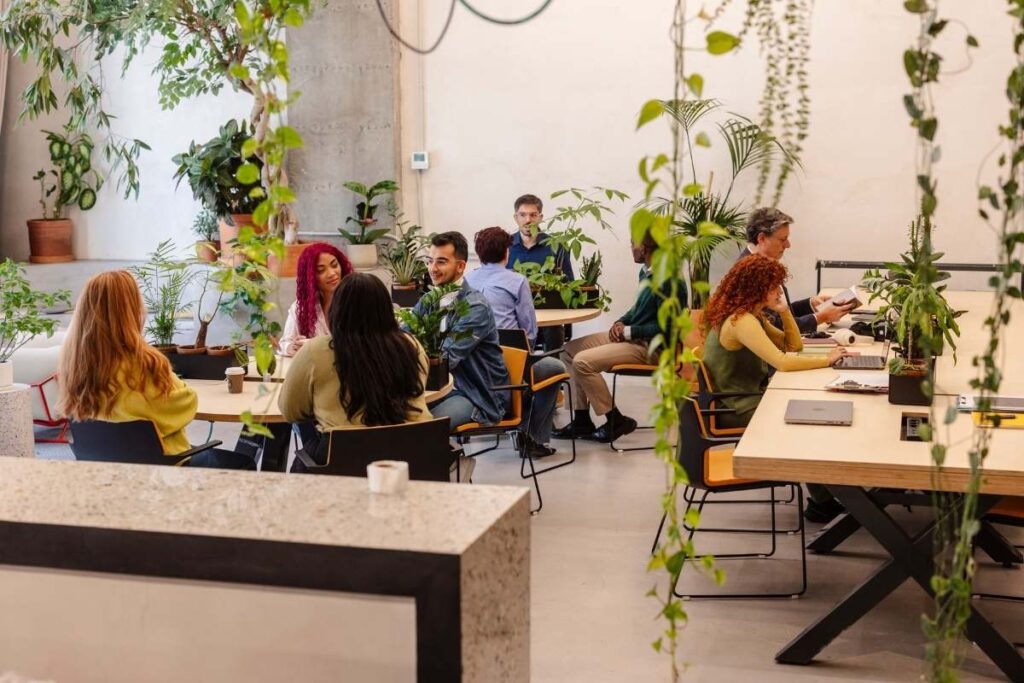
A high-performing hybrid workspace should support both employee wellbeing and meaningful collaboration. Natural light, ergonomic furniture, and biophilic elements such as indoor plants contribute to a healthier and more comfortable working environment. At the same time, focusing more on breakout areas, lounges, and outdoor spaces also create more communal spaces for employees to recharge throughout the day.
Booking systems and space management tools
If you are already using flexible offices in Central London, it’s necessary to take a closer look at the booking systems and space management tools. Leases with multiple flexible offices onsite often develop a distinct booking system to avoid schedule conflict, so it’s essential to utilise these tools to ensure smooth operations.
Integrated room booking systems, synchronised calendars, and cloud-based collaboration platforms help employees coordinate meetings and reserve workspaces with minimal effort, including choosing suitable meeting rooms for different meeting agendas. Real-time occupancy dashboards, QR code check-ins, and space monitoring tools provide better visibility of office usage, while workplace analytics enable organisations to optimise layouts and resources based on how employees actually use the space over time.
FAQ
1. Is a hybrid office suitable for small businesses?
Yes. A hybrid office can help small businesses reduce overhead costs, optimise office space, and provide employees with greater flexibility.
2. How often should a hybrid office layout be reviewed?
It is recommended to review the layout every 6–12 months, or whenever team size, work patterns, or business needs change. It’s recommended to choose an office at least 20% larger than your team to anticipate the scale up.
3. How do you measure whether a hybrid office is successful?
Success can be measured through employee feedback, workspace utilisation, productivity, collaboration, and overall business performance.
Build a hybrid workspace that grows with your business at Gilmoora House
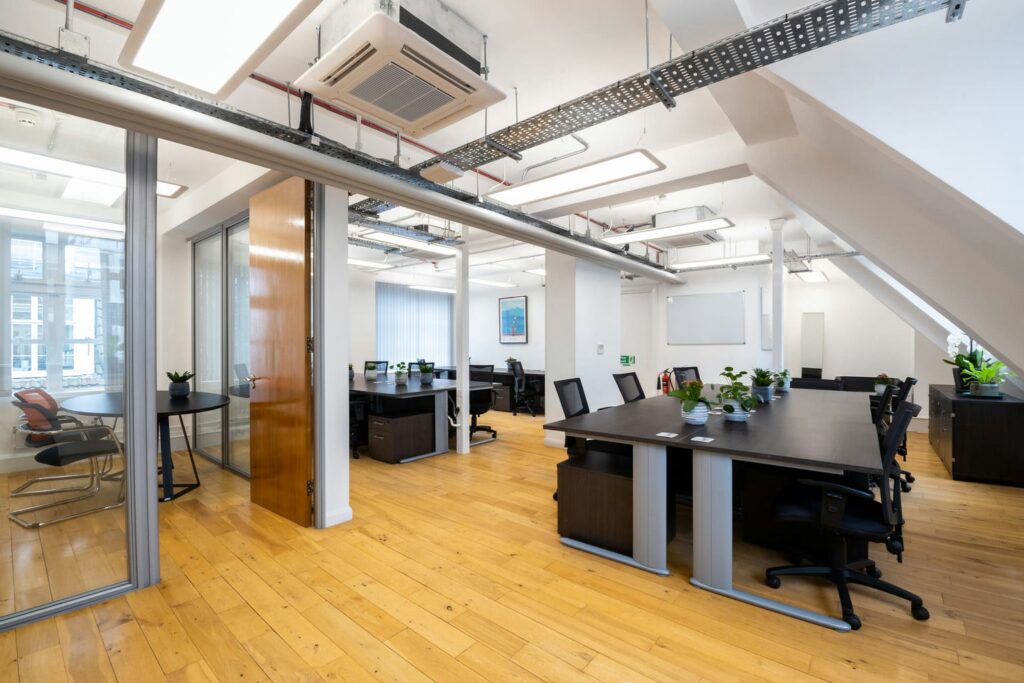
A successful hybrid office depends on having a workspace that can adapt as your business evolves. Whether your team is expanding, adjusting its working patterns, or simply needs greater flexibility, Gilmoora House provides a range of serviced offices that support changing business requirements without the long-term commitment of a traditional lease. From fully furnished flexible offices, private offices, to business lounges that encourage collaborations, Gilmoora House helps hybrid businesses thrive in Central London, regardless of what hybrid model you are pursuing.
At Gilmoora House, you can benefit from:
- A prestigious Central London business address for company registration and client correspondence.
- Flexible serviced offices with scalable layouts, meeting different agendas.
- Modern meeting rooms with video conferencing technology and smart layouts that encourage long-term productivity.
- Business lounge for flexible and hybrid working.
- High-speed internet, breakout areas, and fully managed amenities.
- 24/7 building access with an experienced on-site support team.
Ready to find the right hybrid office space for your business? Contact our team today to get started.