In 2026, successful businesses must adapt to new expectations regarding technology, wellness, and flexibility. This curation report outlines the five essential future of work trends that will define the next era of professional life in London.
What defines the future of work?
The “future of work” refers to the evolution of working style, which consists of how, where, and why we work. This shift is driven by technological advancements and changing employee expectations. It moves beyond the binary of “remote vs. office”, it takes more than one factor to improve overall performance. For example, a future-ready company might use AI agents to handle scheduling while using a physical “destination office” specifically for creative collaboration. This shift prioritises outcomes and well-being over hours logged at a desk.
5 Potential future of work trends to watch in 2026
The workplace is no longer just a physical location; it is a strategic asset for growth. To help you prepare for the next era of professional life, we have curated the five definitive trends shaping London’s business landscape, based on the latest forecasting reports from authorities such as Gensler, SAP, and McKinsey.
1. Destination offices are becoming the new standard
The “mandated commute” is rapidly being replaced by the “magnet office.” According to Gensler’s Global Workplace Survey, the top reason employees come to the office is no longer policy, but “to sit with their team” and access technology they cannot use at home. Data shows that high-performing workplaces are now viewed as “experience anchors”, spaces that blend hospitality with productivity.
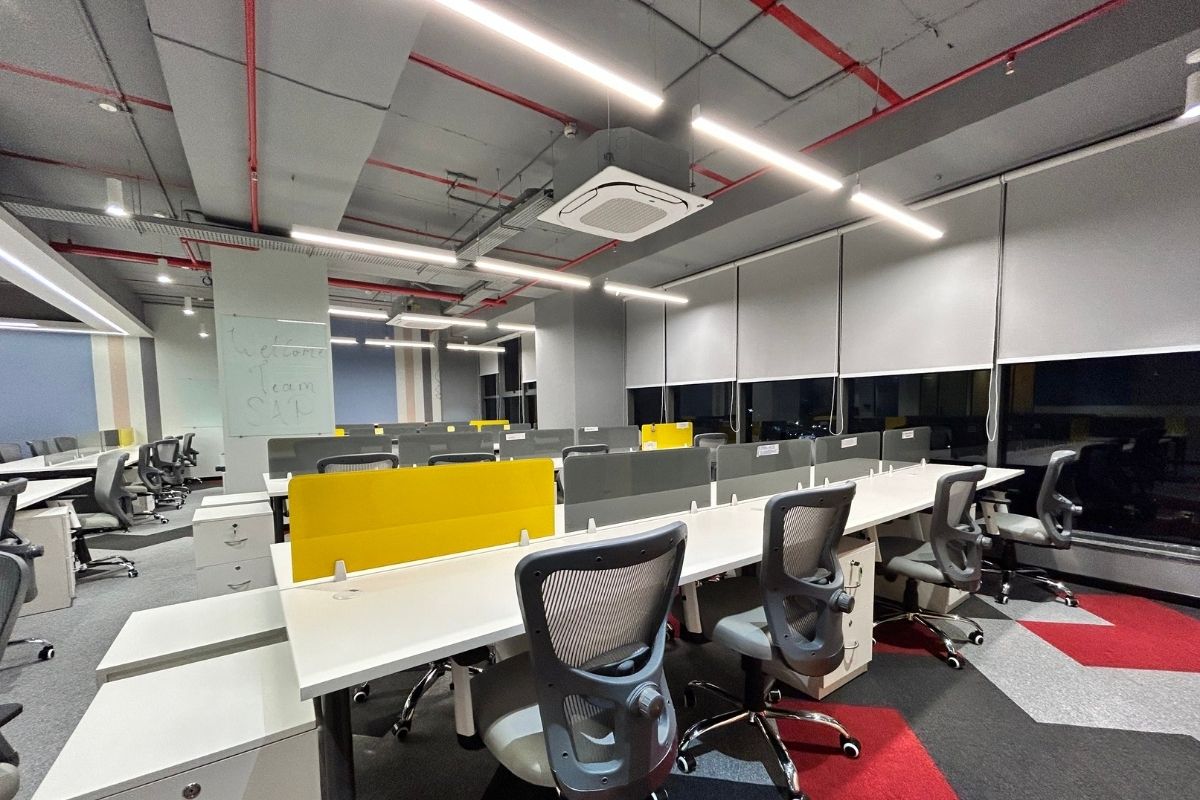
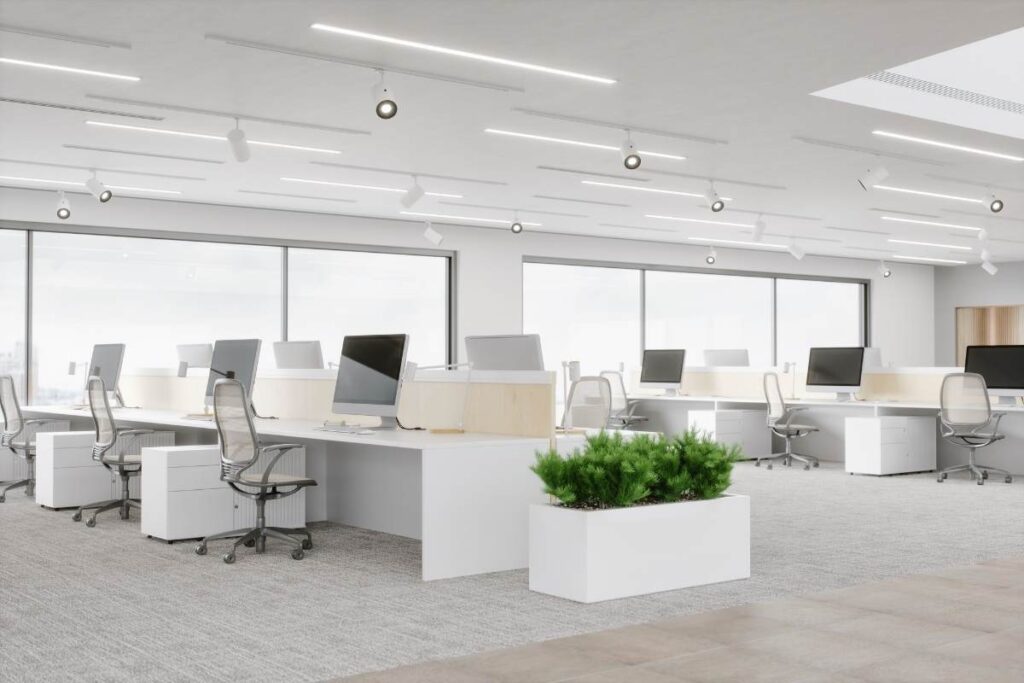
In practice, this means businesses are shifting away from rows of desks towards “hotelification, offering concierge-style services to provide an open space for relationship fostering, as well as face-to-face communication that mitigates a sense of isolation. By 2026, we forecast that the office will function primarily as a social hub for culture-building, depending on businesses’ culture, meaning the way you improvise and redesign your square footage will matter far more than the conventional design.
2. Biophilic design and workplace wellness are becoming priorities
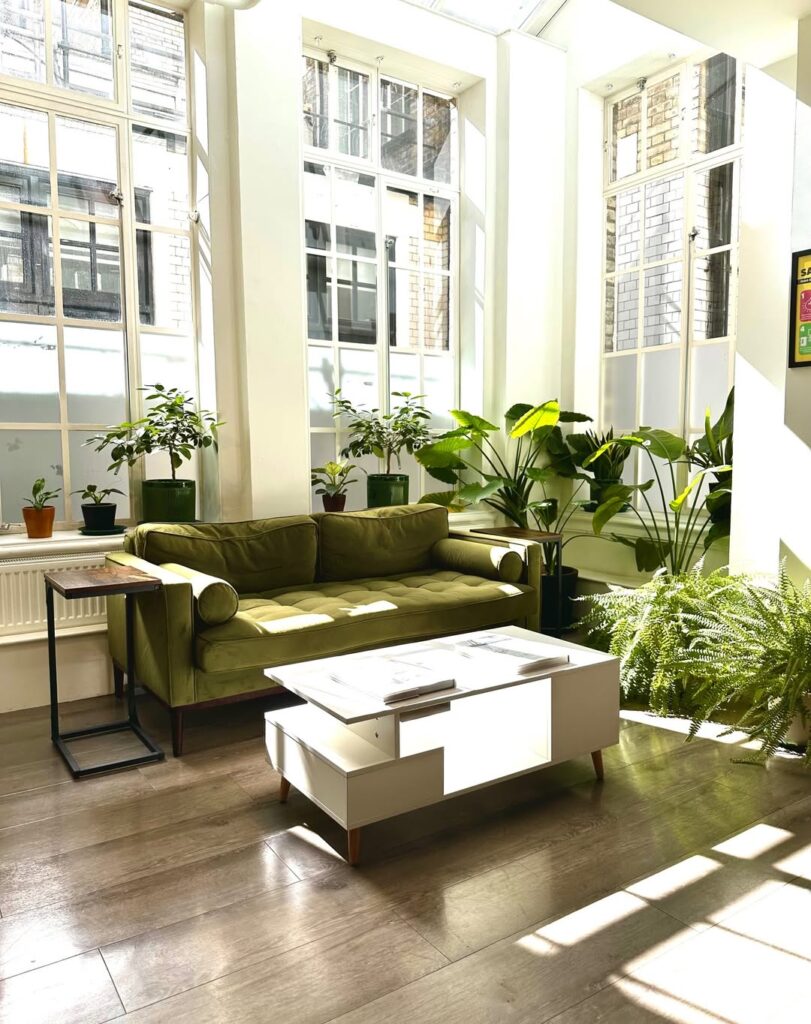
Wellness has graduated from a “nice-to-have” perk to a fundamental operational requirement. Research from The Human Spaces Report indicates that introducing natural elements like greenery, sunlight, fresh air, etc into the workplace can increase creativity by 15% and reported well-being by 15%. Conversely, workspaces lacking nature often see higher rates of burnout and cognitive fatigue.
Forward-thinking companies are now adopting “Biophilic Design 2.0,” which goes beyond a simple potted plant. It involves integrating organic lighting rhythms, air purification, and extensive greenery directly into the workplace. At Gilmoora House, the basic standards have already been prioritised; our workspaces are filled with curated greenery and bathed in natural light, ensuring your team benefits from a calming, nature-infused environment that actively lowers stress levels while they work.
3. AI is becoming a core part of daily team workflows
Artificial Intelligence is transitioning from novelty to core workflows, increasing team productivity rather than replacing roles. According to an AWS report, 52% of UK businesses now utilise AI technologies, representing a 33% increase from the previous year. Not just that, Moneypenny’s survey also noted 28% of UK organisations fully embrace AI, with larger firms at 68% adoption. With all the statistics, scenarios where AI becomes an irreplaceable element is not so imaginary anymore.
Successful teams integrate agentic AI for autonomous multi-step tasks. As stated by SAP research, UK firms expect 11% ROI from these systems within two years. According to YouGov polling of SME leaders, 36% report efficiency gains in decision-making and 54% in task automation.
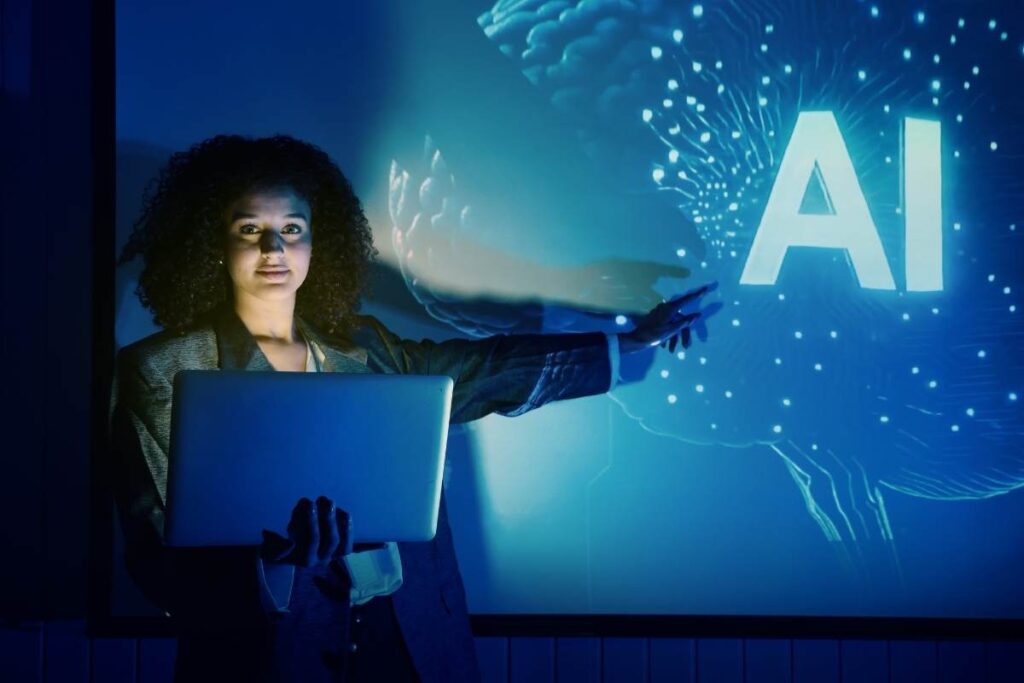
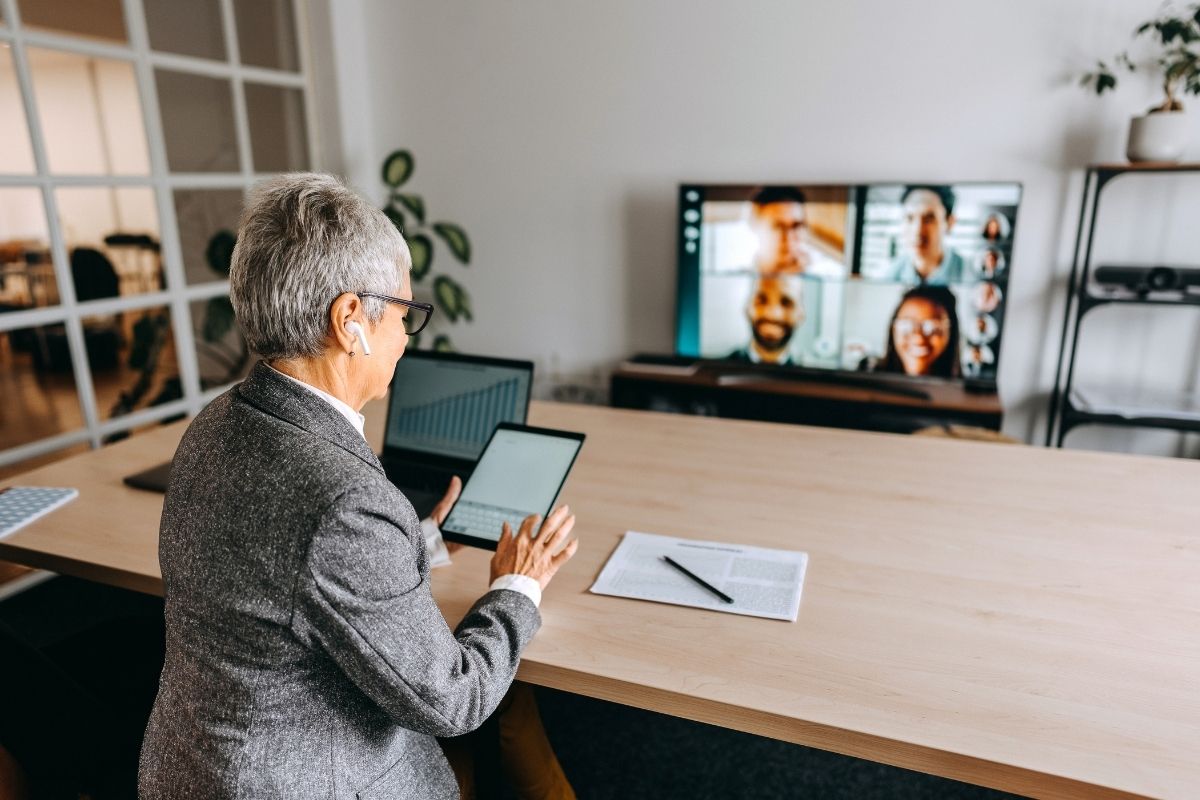
By 2026, hybrid-optimised meeting rooms with high-speed fibre and AV setups will enable seamless AI agent and remote participation. According to SAP research, UK business investment in AI will rise by 40% on average over the next two years. This blurs digital-physical boundaries amid hybrid work trends, where 49% of desk workers use hybrid models.
4. Inclusive and equitable workplace cultures are gaining importance
Diversity is evolving from a compliance checkbox to a strategic growth engine. According to McKinsey’s Diversity Wins report, companies in the top quartile for executive diversity are 36% more likely to have above-average profitability. In 2026, the focus will shift towards “structural equity,” ensuring fair access to opportunities regardless of an employee’s physical location or neurotype.

Businesses are responding by creating “neuro-inclusive” zones, quiet libraries for deep focus alongside active hubs for collaboration, to support different sensory needs. By 2026, premium workspaces will be judged on their ability to physically demonstrate inclusivity, offering diverse amenities that signal a sense of belonging to every employee, regardless of their personalities, commuting status, or disabilities.
5. Flexible autonomy is redefining how modern teams work
The rigid 9-to-5 structure is becoming obsolete as “flexible autonomy” takes hold. Data shows that around 49-53% of North American knowledge workers now operate in hybrid models, up from prior years, with the trend accelerating toward structured flexibility like three office days a week. The “Autonomy Exodus” phenomenon warns that high-performing talent will leave organisations that enforce presenteeism over performance.
Instead of signing long-term leases for empty desks, agile businesses are adopting flexible real estate models that allow them to scale space up or down. By 2026, work measurement is shifting toward output over presence. Consequently, the office will serve as a flexible resource to be consumed on-demand, used for specific collaborative sprints rather than a daily obligation.
Conclusion
The future of work in 2026 centres around mental well-being, with additional help from technological advancement. It is a landscape where the office is a tool for empowerment rather than confinement. By anticipating these five trends, you can obtain some insights for yourself and create a workplace that attracts the best talent and keeps your business competitive in a rapidly changing world.
Grow your business at Gilmoora House
Gilmoora House is already built for the future of work. Our serviced offices and meeting rooms are designed to help you thrive in 2026 by offering the agility and quality that modern businesses demand.
Why Gilmoora House fits the 2026 trends:
- Enjoy a green workspace: We integrate biophilic elements throughout the building. This ensures your team benefits from a calming, nature-infused environment, which boosts well-being and reduces stress.
- Stay sustainable easily: Our flexible terms mean you only use the space you need. This reduces your carbon footprint and overheads simultaneously, allowing for leaner and greener operations.
- Use high-tech facilities: Our meeting rooms are equipped with high-speed connectivity. This supports AI-driven workflows and hybrid collaboration, ensuring your team remains productive regardless of location.
- Receive expert support: Our on-site team acts as your partners. We handle the logistics so you can focus on leading your autonomous, high-performance team, without worrying about administrative friction from your day.
Ready to future-proof your workspace? Contact our Service Team at enquiries@gilmoorahouse.com or call 020 3008 6650.