Workplace wellbeing is no longer “nice to have”. According to Gallup’s State of the Global Workplace report, only 33% of employees worldwide describe themselves as “thriving” in their work overall, with wellbeing declining for the second consecutive year. This figure highlights a clear reality: when wellbeing is neglected, productivity drops, and retention becomes a challenge.
In 2026, professional success is built on more than output alone – it depends on creating an environment where people can perform sustainably without burning out. This guide outlines 10 practical, actionable wellbeing-at-work tips to help you reduce stress, boost morale, and build a healthier, more productive team.
What does workplace wellbeing actually mean?
Workplace wellbeing is the holistic support of an employee’s physical, mental, and emotional health within a professional setting. It involves managing workloads effectively and providing an environment that reduces fatigue. Rather than just offering superficial perks, true wellbeing means establishing operational practices that allow your team to execute their tasks without compromising their long-term health. It ensures they remain capable, focused contributors to your business ecosystem.
Why is prioritising wellbeing the smartest investment for your business growth?
Poor wellbeing carries a high financial cost, with Deloitte estimating that mental ill-health costs UK employers £51 billion annually. Treating health as an operational priority rather than an afterthought protects both your people and your margins.
Key reasons to invest in health:
- Lower sickness absence: Average absence levels rose to 9.4 days per employee in 2025, up from 7.8 in 2023 per CIPD, fueled by stress and psychological ill health (like stress and poor mental health); strategic support helps mitigate this trend.
- Reduce costly presenteeism: Working while unwell costs businesses up to 3 times as much as actual absence.
- Increase team retention: 79% of employees would stay longer at a job that offers comprehensive wellbeing support.
- Drive creative innovation: Studies show employee mental wellness is directly related to creativity and innovation at work.

10 Actionable wellbeing at work tips for your office
Improving team health does not always require large budget allocations. Often, it is about small, consistent adjustments to your daily operations. These curated tips focus on human connection and the physical environment to help your team maintain balance and focus throughout the week.
1. Help your team manage their time better by offering flexible schedules
Rigid working hours can create unnecessary friction between personal responsibilities and professional goals. Allowing employees to adjust their start and finish times helps them work during their natural productivity peaks.
To implement this approach:
- Establish “core collaborative hours” where everyone is available, leaving the rest of the day flexible.
- Focus on measuring output and results rather than hours logged at a desk.
- Encourage open dialogue about preferred working patterns during one-on-one meetings.
This practice actively reduces morning commute stress. Data from the CIPD highlights that flexible workers report significantly higher job satisfaction, leading to a more focused and committed workforce.
2. Prevent mental fatigue and physical strain with active breaks
Sitting at a desk for an average of 6.29 hours during an 8-hour workday directly contributes to musculoskeletal issues like neck (53.5%), lower back (53.2%), and shoulder pain (51.6%), as well as cognitive fatigue, such as exhaustion (affecting 73.6% of workers). Encouraging movement throughout the day keeps the brain oxygenated and the body comfortable.
To encourage physical movement:
- Suggest walking one-on-one meetings for catch-ups that do not require a screen.
- Implement short, five-minute stretching routines before long afternoon sessions.
- Place printing or shared resources slightly further away from desk clusters to encourage walking.
Taking active breaks resets the attention span. Research indicates that frequent, short movements throughout the day improve concentration and reduce the physical strain that often leads to prolonged absences.

3. Build a culture of psychological safety through open communication
Psychological safety is the shared belief that an employee can express ideas, ask questions, or admit mistakes without fear of punishment. It is the foundation of a healthy team dynamic.
To build this culture:
- Model vulnerability from the leadership level by openly discussing past operational mistakes and the lessons learned.
- Replace superficial reviews with regular, informal check-ins focused on support and growth.
- Ensure all team members have equal speaking time during group brainstorming sessions.
- Avoid constantly rehashing team members’ past mistakes, as this undermines trust and reinforces fear of speaking up.
When people feel safe, they innovate. Google’s Project Aristotle found that psychological safety was the single most important metric in determining high-performing, resilient teams.
4. Establish clear boundaries to protect personal time
In today’s always-on culture, the line between work and home can easily disappear. Emails, instant messages, and notifications often extend beyond office hours, making it difficult for employees to truly switch off.
To protect personal time:
- Implement a “right to disconnect” policy that discourages out-of-hours emails.
- Use scheduled send features to ensure messages drafted late at night arrive the next morning.
- Encourage senior management to visibly take their full annual leave allocations.
Clear boundaries protect the team’s recovery time. When employees fully switch off, they return to work with restored energy, significantly lowering the risk of burnout and turnover.

5. Natural light is a basic requirement for alertness
Access to natural daylight regulates the human circadian rhythm. Environments heavily reliant on harsh artificial lighting often lead to eye strain, headaches, and a midday slump in energy.
To maximise light exposure:
- Arrange the office floorplan so that workstations are close to windows, keeping meeting rooms in the core.
- Use glass partitions to allow light to travel through the workspace.
- Encourage staff to take their lunch breaks outside to increase their daily sunlight intake.
Exposure to natural light improves sleep quality and daytime alertness. Studies by Cornell University show that workers in daylit office environments report a 84% drop in symptoms of eyestrain and headaches.
6. Real plants act as a biological performance tool
Biophilic design connects the indoor workspace to the natural world. Adding greenery is not just a decorative choice; it is a functional tool that supports human biology.
To integrate nature:
- Place low-maintenance desk plants on shared tables and individual workstations.
- Invest in living walls or large potted plants in breakout areas to create distinct visual zones.
- Choose natural materials like wood and cork for office furniture.
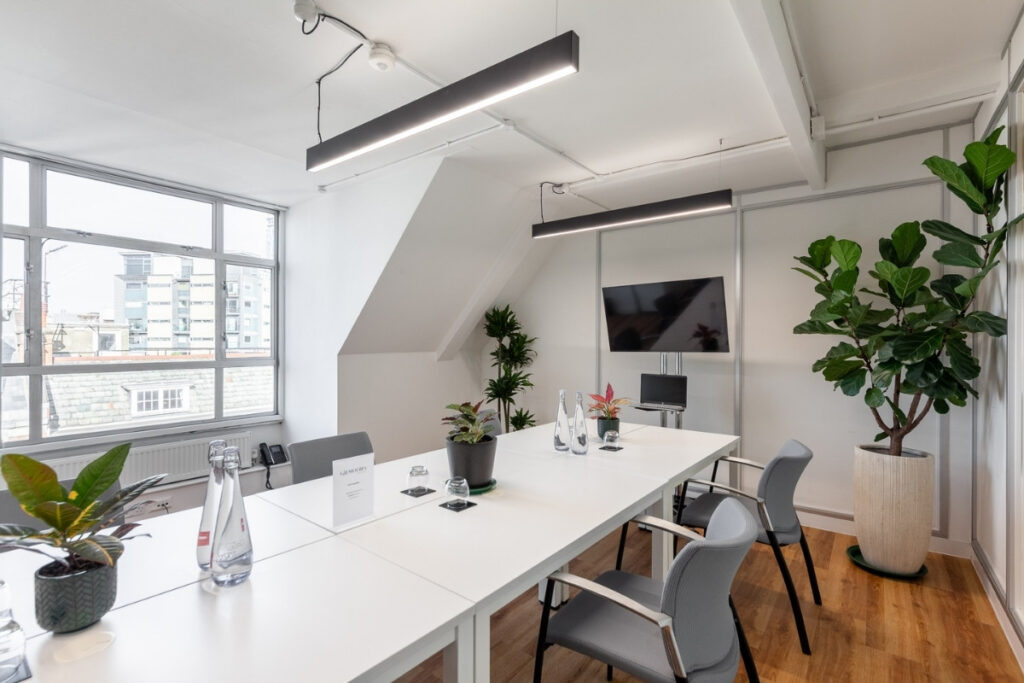
Plants naturally improve indoor air quality and lower the heart rate. The Human Spaces report found that environments incorporating natural elements, such as greenery and sunlight, report a 15% higher level of well-being, including improved mood (e.g., feeling happier and more inspired upon entering the workspace), increased alertness and productivity (6% higher), and enhanced creativity (15% higher), which can foster better collaboration.
7. Shared rituals strengthen the social glue of the team
Work is inherently a social activity. Regular, low-pressure interactions build the professional trust required to navigate difficult projects efficiently.
To create shared rituals:
- Host a weekly team breakfast to start the week with casual conversation.
- Celebrate small, incremental project milestones rather than just final deliverables.
- Organise occasional off-site walks or coffee runs to change the environment.
These rituals break down departmental silos. When colleagues build rapport outside of work-related scenarios, they collaborate much more smoothly during high-pressure situations.
8. Managed workloads protect your staff from chronic stress
Overloading high performers is a common management error that eventually leads to burnout. Sustainable growth requires realistic capacity planning.
To balance workloads:
- Conduct weekly resource planning meetings to ensure tasks are distributed evenly.
- Train managers to spot the early signs of stress, such as uncharacteristic errors or withdrawal.
- Encourage staff to flag when they are at capacity without fear of looking incompetent.
Properly managed workloads ensure sustainable performance. It prevents the costly cycle of staff taking extended stress leave and the subsequent drop in team morale.
9. Digital tools reduce the burden of repetitive tasks
Technology should simplify work, not complicate it. When teams are bogged down by administrative repetition, they have less mental energy for strategic, high-value work.
To streamline processes:
- Invest in AI assistants to handle basic scheduling and data entry.
- Consolidate communication channels to prevent “app fatigue” and lost information.
- Provide regular training on new software so everyone feels confident using the tools.
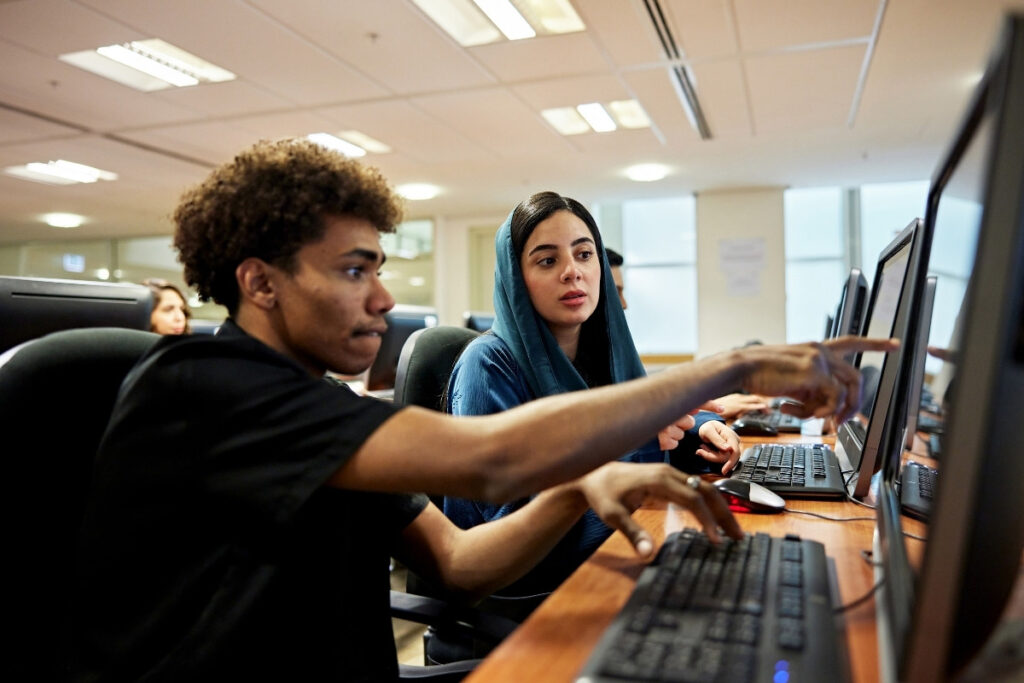
Reducing administrative friction lowers cognitive load. Teams that use streamlined digital workflows report lower frustration levels and higher satisfaction in their daily roles.
10. Reducing financial anxiety through better education
Financial stress is a significant distraction that follows employees into the office. Supporting their financial literacy provides peace of mind that translates into better focus.
To support financial well-being:
- Offer transparent career progression paths so employees understand their earning potential.
- Host optional workshops on budgeting, pension planning, or navigating the current economic climate.
- Provide access to employee assistance programmes (EAPs) that offer confidential financial advice.
When a company actively supports its team’s financial education, it builds deep loyalty. Reducing external anxiety allows employees to concentrate fully on their professional objectives.

Build a supportive workplace at Gilmoora House
Gilmoora House provides an environment designed specifically to support these wellbeing goals. By combining thoughtful physical design with professional service, we help you create a workspace where your team can perform sustainably.
Why our Central London office is your best wellbeing asset:
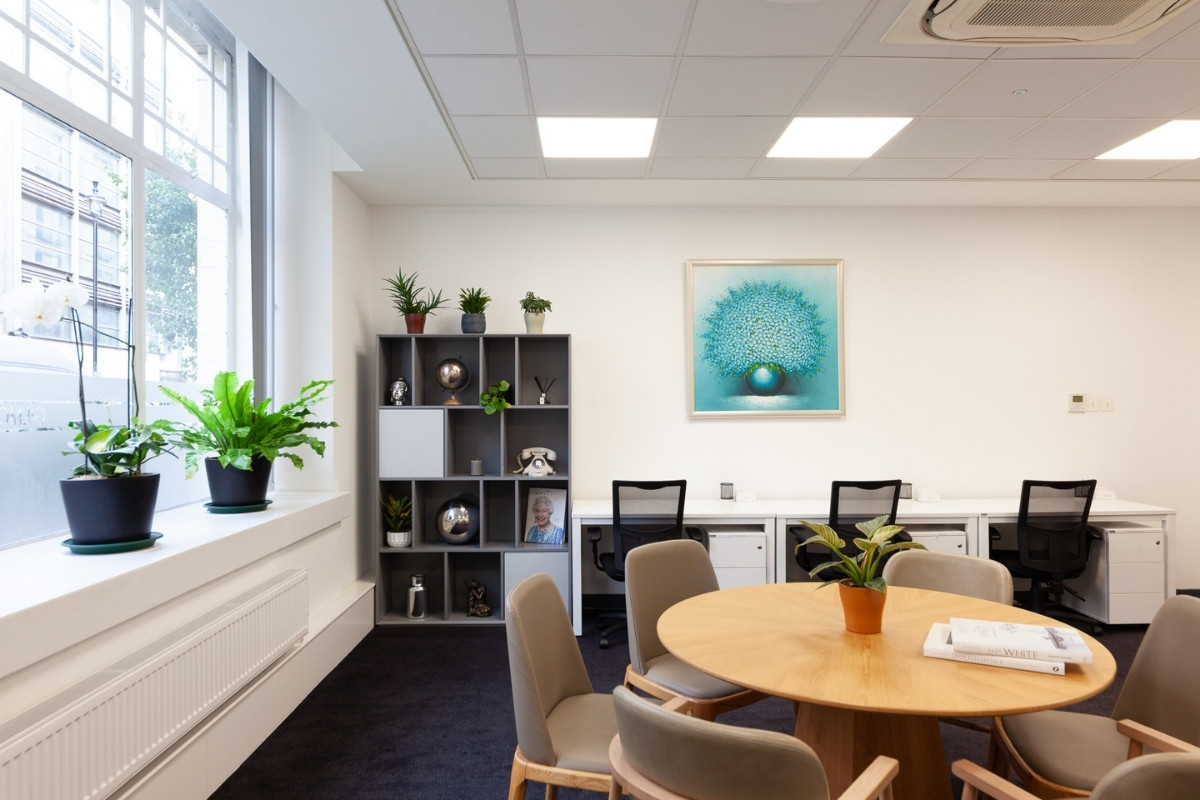
- Greenery throughout the building: We incorporate biophilic design to create a calming atmosphere. This natural touch helps lower stress and improve daily focus.
- Connect to the design for focus: Our spaces are laid out to balance quiet zones with collaborative areas. This allows your team to choose the right environment for their specific tasks.
- Communal breakout rooms: With complimentary teas, coffees, and a kitchen on every floor, we provide comfortable spaces for your team to take necessary restorative breaks.
- Utilise professional facilities: Our high-speed internet and ergonomic furniture remove physical and digital friction from the workday.
- Access expert support: Our service coordinators handle the logistics. This reduces your administrative burden, giving you more time to focus on managing and mentoring your people.
- Stay close to the commuting network: Located near major transport hubs, we make the journey to work simpler. This active commuting access supports physical health and reduces travel anxiety.
Creating a supportive environment is a continuous process that yields long-term dividends in productivity and loyalty. By implementing these practices, you position your business as a place where top talent wants to stay and grow.
Ready to grow your business in a workspace that prioritises your wellbeing? Contact our Service Team at enquiries@gilmoorahouse.com or call 020 3008 6650 to book your tour today.